
Blog detail

2 Minutes

Apr 30, 2026
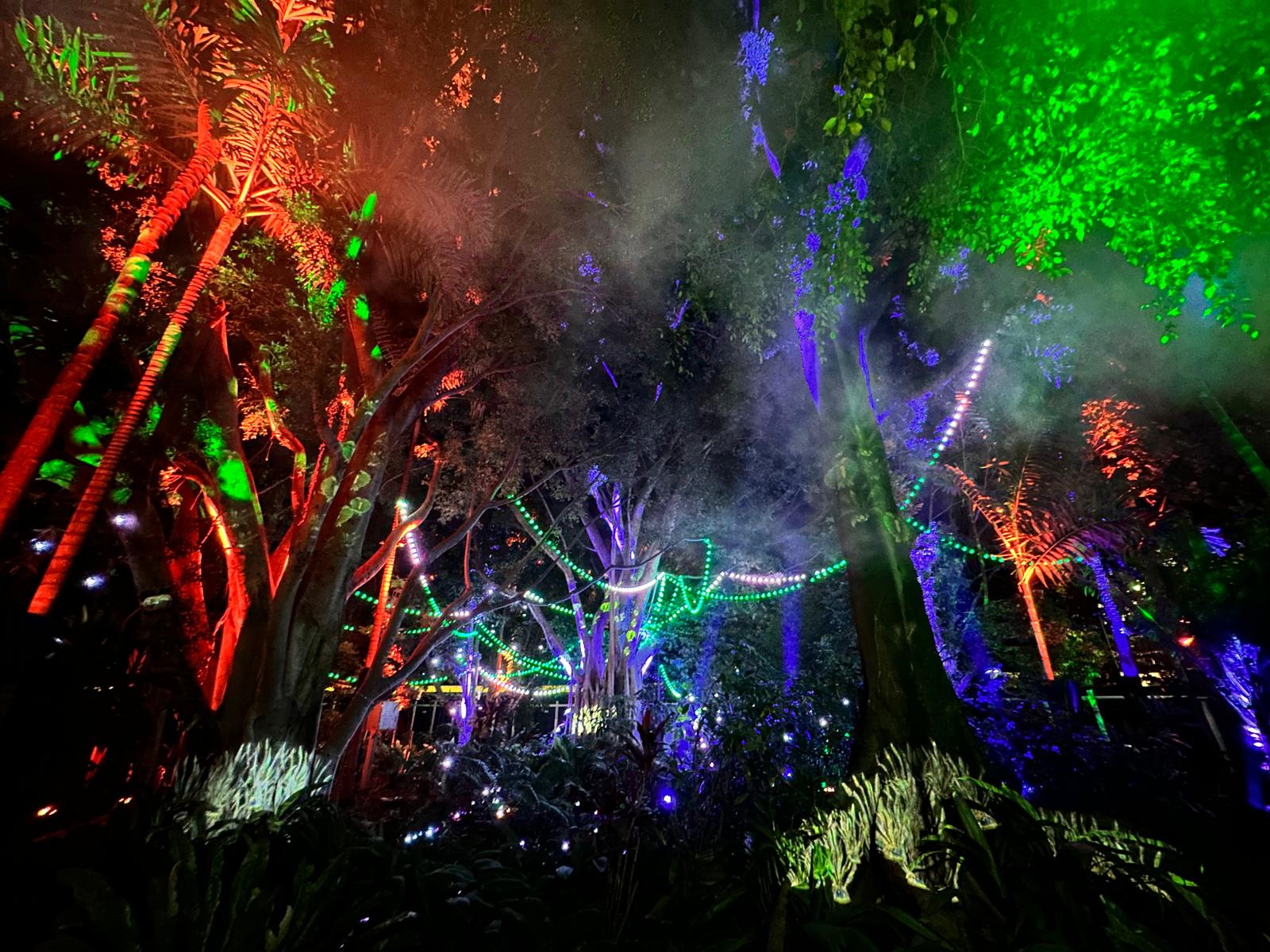
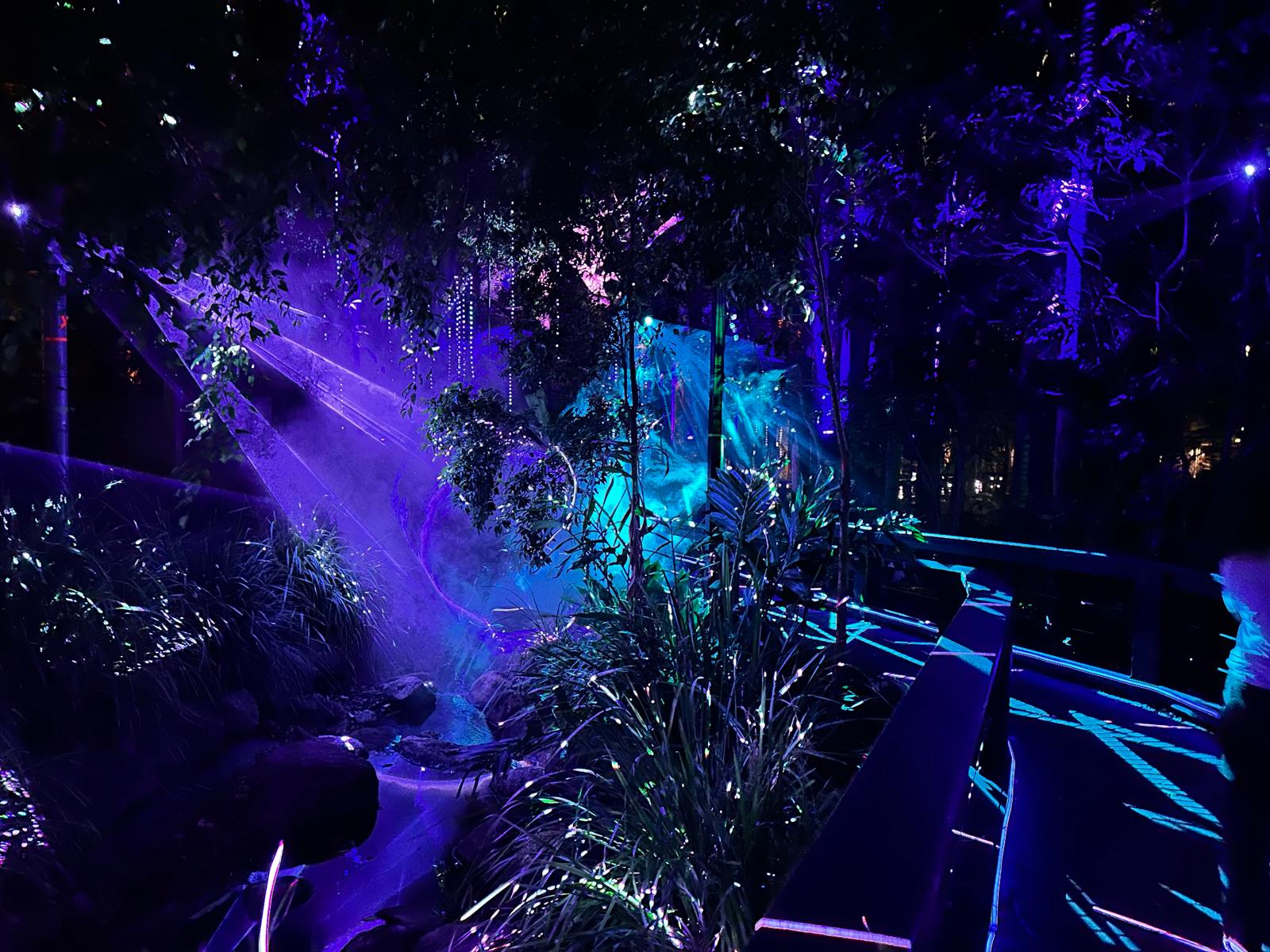
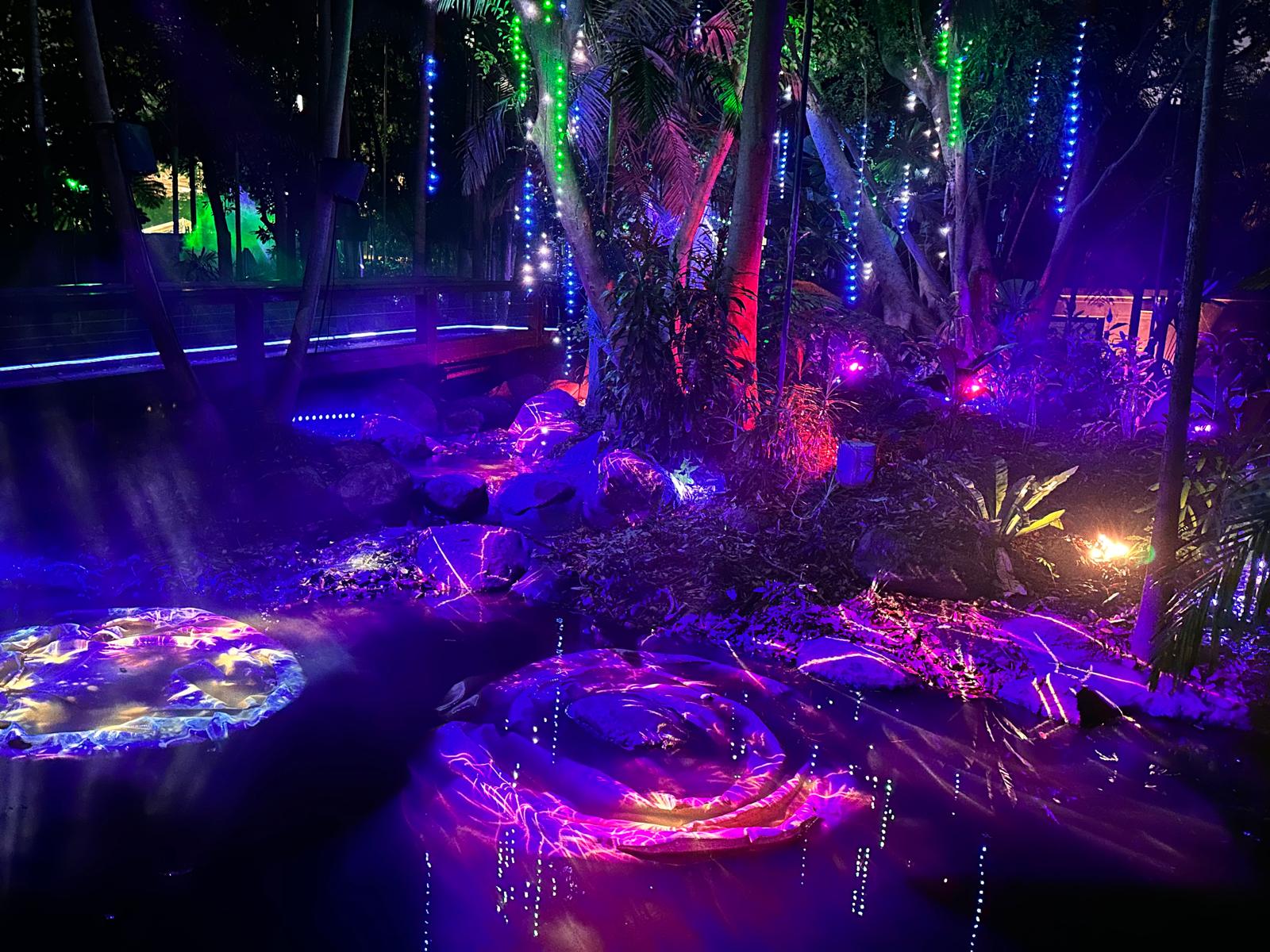
Lighting and AV as One Language
Lighting and audiovisual (AV) systems are often treated as separate disciplines, designed and delivered in parallel but rarely as a single, unified experience. At FPOV, we approach them differently. We see lighting and AV as part of one connected language that defines how a space behaves, feels, and communicates.
Rather than layering systems at the end of a design process, we integrate them from the outset. This early coordination allows both disciplines to inform each other technically and creatively, resulting in environments that are more cohesive, responsive, and immersive.
Lighting plays a fundamental role in shaping perception. It defines atmosphere, guides movement, and influences how architectural form is understood. AV, on the other hand, introduces narrative, rhythm, and sound. It brings spaces to life through content, audio direction, and dynamic programming. When considered together, these elements do not compete for attention; they work in dialogue to shape a complete sensory experience.
This integrated approach requires close collaboration between design teams, consultants, and technical specialists from the earliest stages of a project. Systems need to be aligned in terms of infrastructure, control strategy, and intent. While this adds complexity upfront, it significantly improves clarity and performance later in the process.
The result is a more refined and intentional environment, where technology is not an overlay but an embedded part of the architectural experience. It also opens up greater creative potential. Lighting and AV systems can be choreographed together rather than independently, allowing for seamless transitions, layered storytelling, and adaptive spatial responses.
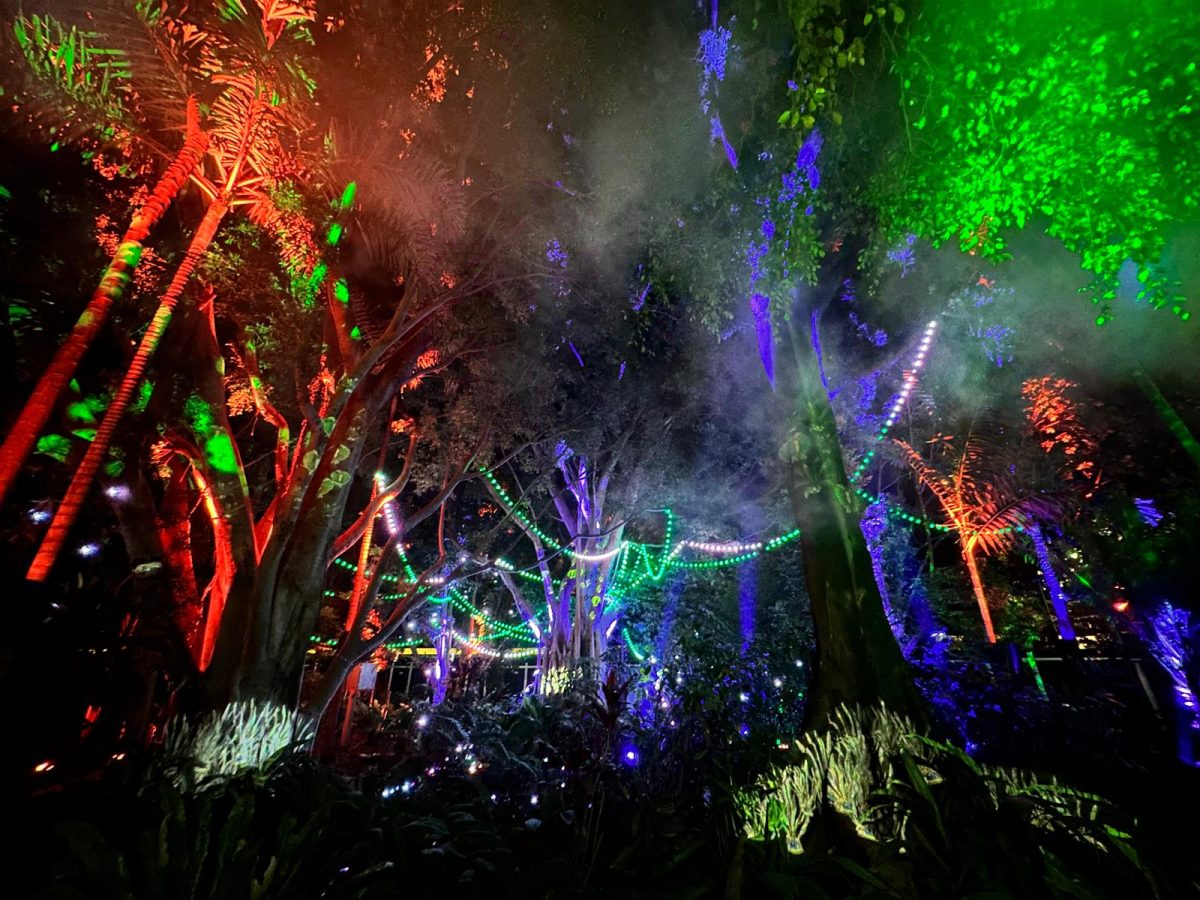
In practice, this might include synchronising lighting changes with spatial audio cues, creating immersive sequences that shift as users move through a space, or designing environments that respond dynamically to occupancy, time of day, or programmed content. These interactions help transform static environments into living, responsive spaces.
As architecture continues to move towards experience-led design, the integration of lighting and AV is becoming essential rather than optional. Clients and end users increasingly expect spaces that are not only functional, but also engaging, adaptable, and memorable.