
Blog detail

4 Minutes

Apr 30, 2026
The Story of Light
Illuminating History Through Change Over Time
About the Author
William Tjie is a Designer at FPOV, based in the Indonesia studio. He has been with the practice since July 2021, contributing to a range of projects across the region. His work often explores the relationship between cultural context and lighting design, with a particular interest in how light shapes identity and experience over time.
Preserving a Historic District Through Light
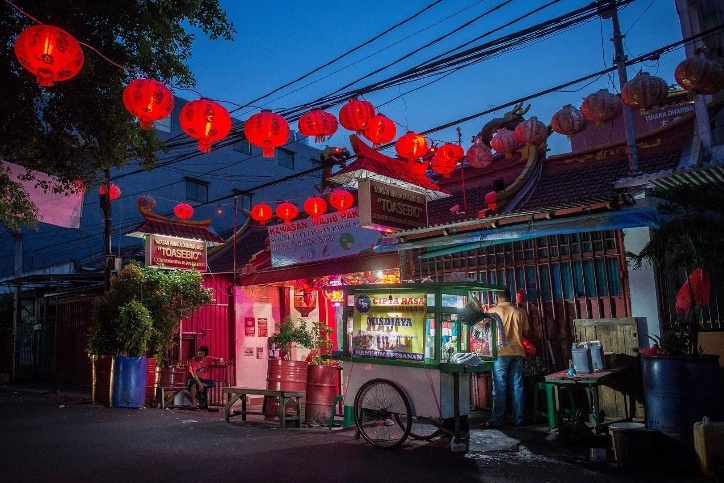
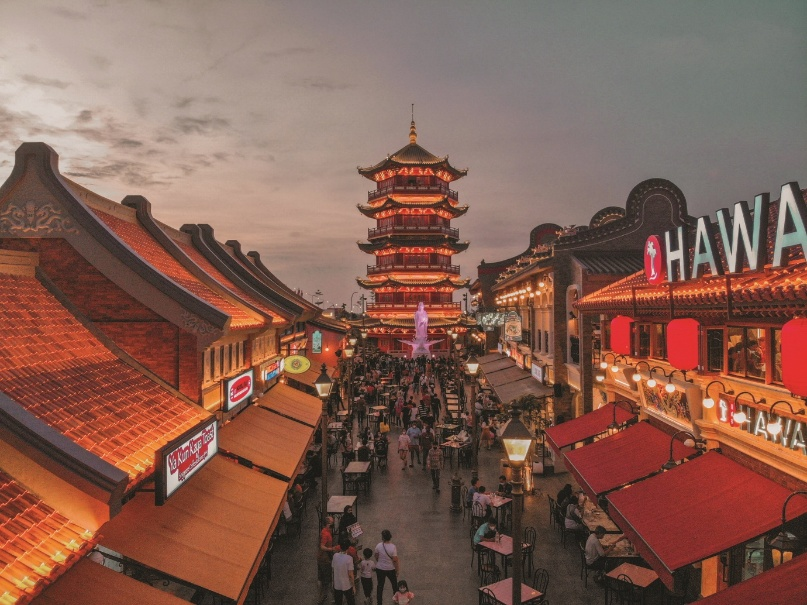
Lunar New Year may have passed, but its presence remains visible in Jakarta’s oldest Chinatown. Here, lighting is more than visual decoration. It carries meaning, representing hope, prosperity, and collective memory for the year ahead.
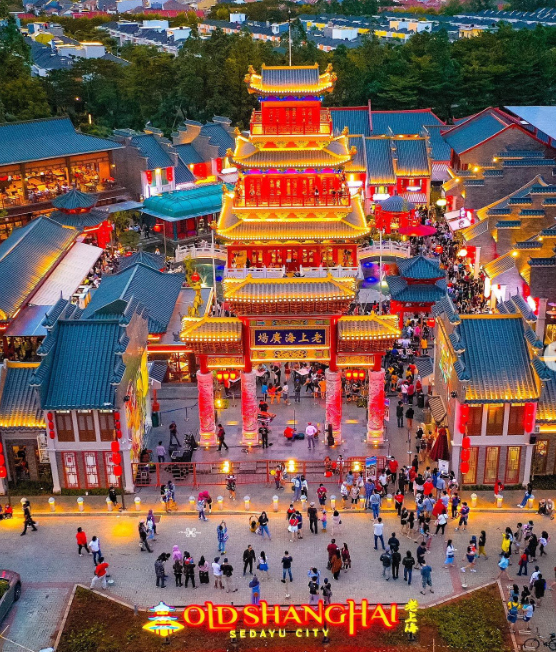
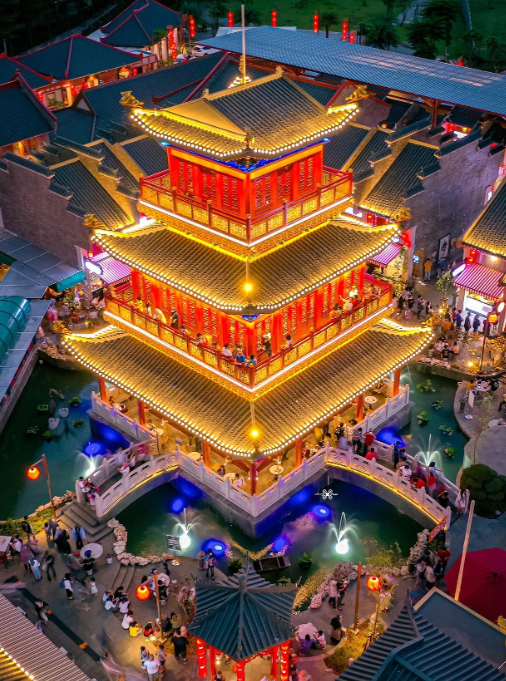
Each year, the streets are filled with red, gold, and warm tones, creating a familiar and symbolic atmosphere. While newer technologies such as drones and digital projections are becoming more common, traditional lighting still holds a unique importance. It is not only about brightness, but about mood, emotion, and the way people connect to a place.
Lighting, in this context, becomes a language. It shapes perception and helps tell stories that go beyond the physical environment.
Light as Cultural Identity in Jakarta
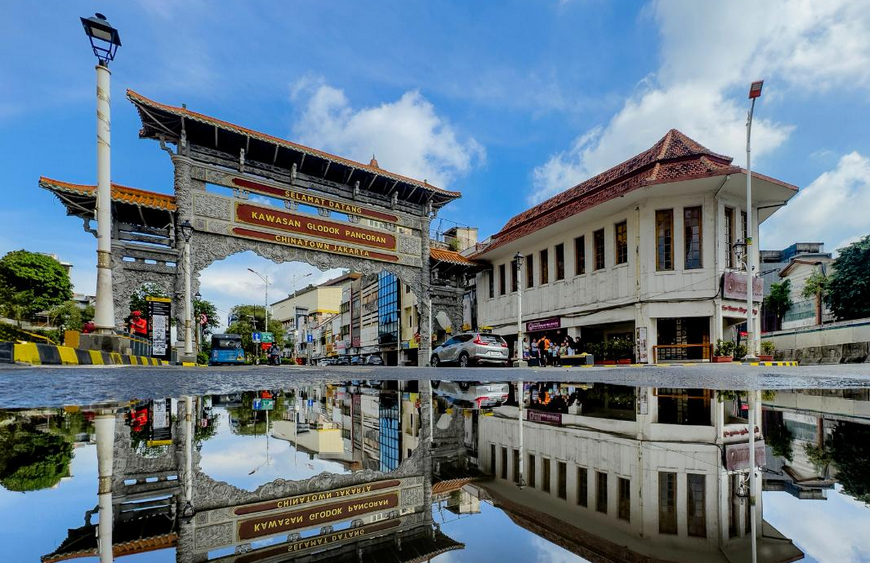
Jakarta is home to one of the largest Chinatowns in Southeast Asia, where light has long played a role in connecting people to culture and community. Over time, this relationship has evolved, shaped by a mix of Chinese heritage and Dutch colonial influence.
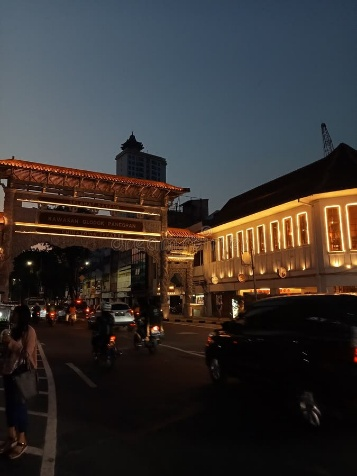
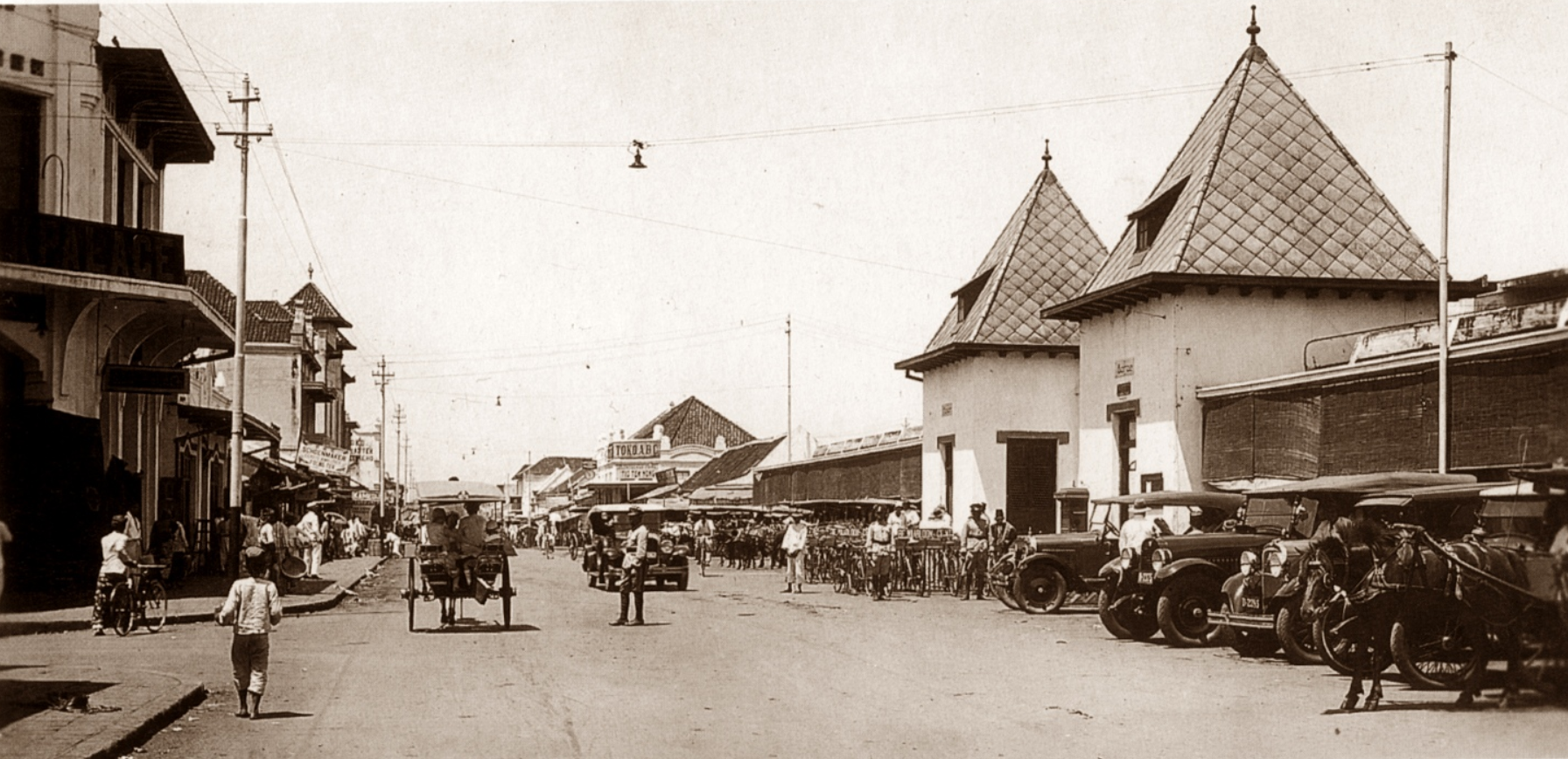
There are several Chinatown districts across Jakarta, but Glodok remains the original and most historically significant. Established in the 17th century by the Dutch for Chinese settlers, it includes areas such as Gang Gloria, Jalan Pancoran, and Petak Sembilan. Known for its temples, street food, and commercial activity, Glodok continues to reflect layers of history through its streets and spaces.
However, parts of this district are now fading, making the preservation of its identity increasingly important.
A Complex History Behind the Light
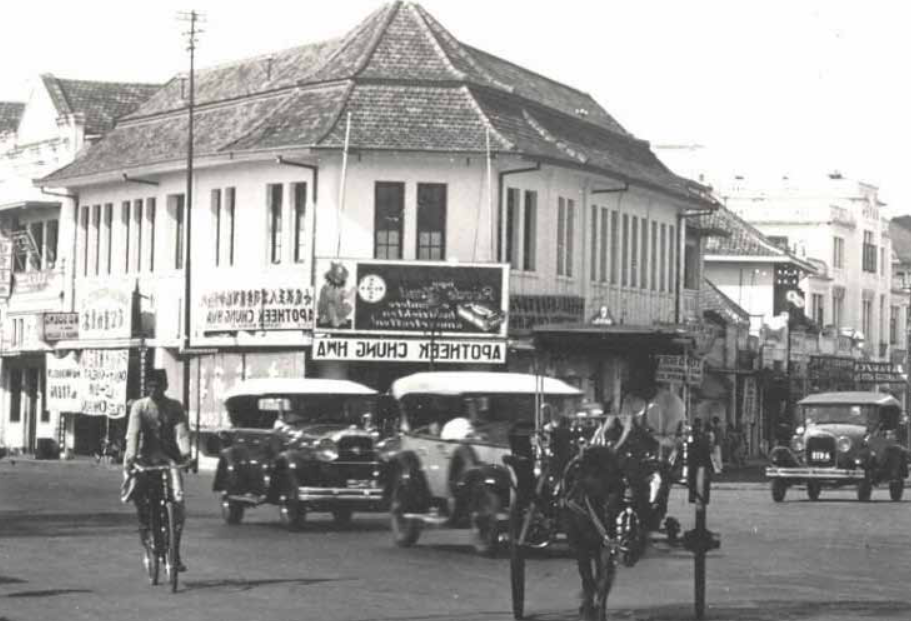
The story of Glodok is closely tied to Jakarta’s colonial past. In the 17th century, a major Chinese rebellion against Dutch rule led to significant loss of life. In response, the Dutch confined Chinese communities within walled districts, including what is now Glodok.
This difficult history sits alongside a rich cultural legacy, and both are reflected in the way the area has developed over time.
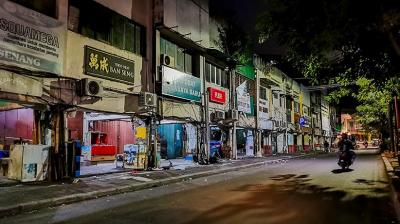
The influence of Dutch planning introduced a more restrained approach to lighting, often simple and controlled. This contrasts with the brighter, more intense lighting styles seen in cities like Hong Kong. In Jakarta, the result is something more balanced, where lighting supports the environment without overwhelming it.
The Arrival of Electric Light
The introduction of electricity in 1897 marked a major shift. For the first time, artificial lighting extended activity beyond daylight hours, changing how the city functioned.
Some of the earliest areas to adopt electric lighting included Tanjung Priok Harbour and key civic buildings near Glodok. From there, lighting spread into residential and commercial districts, many of which were centred around Chinatown.
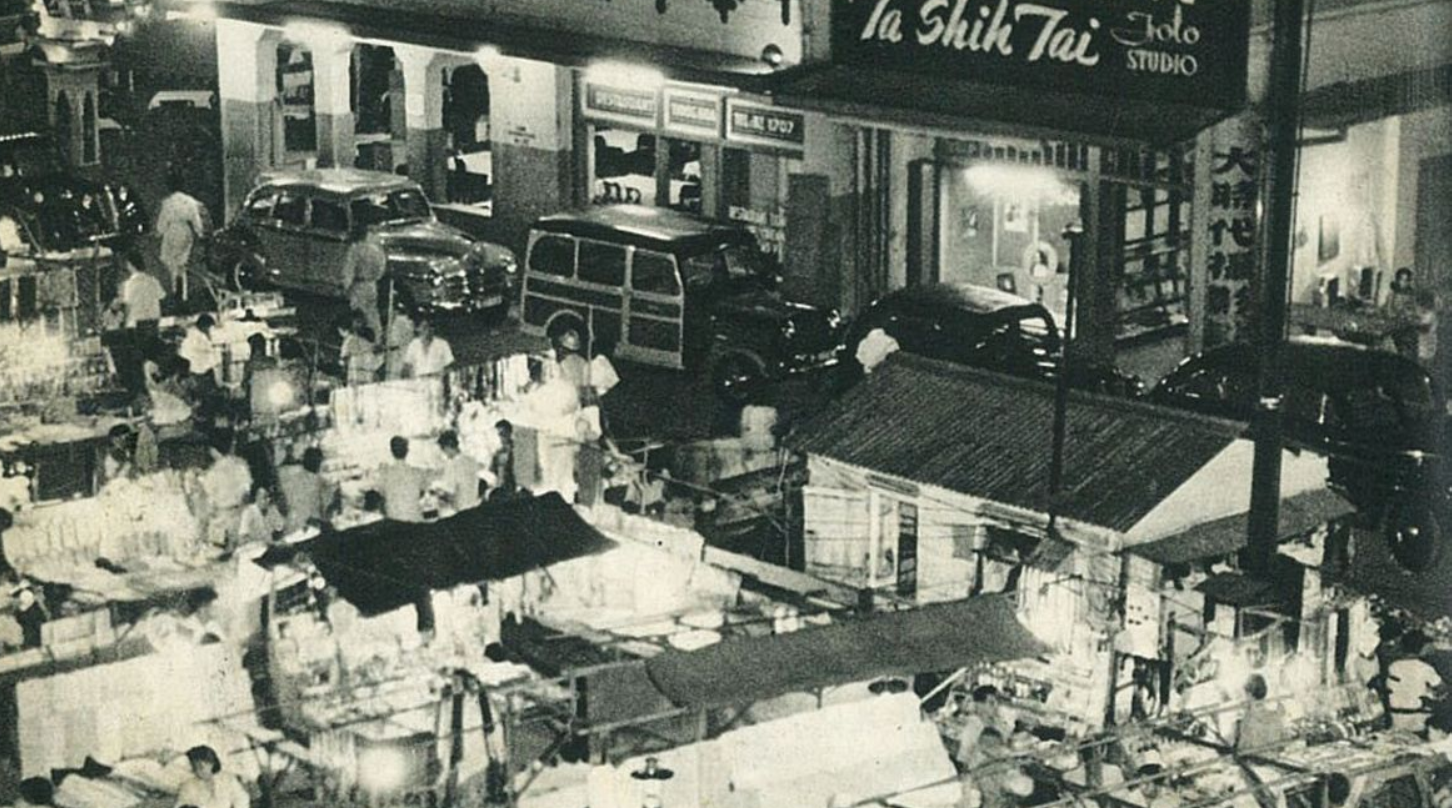
Communities quickly adapted. Traditional lanterns remained, but were now combined with new technologies. Lighting began to serve multiple purposes, from guiding movement and defining spaces to signalling different types of activity.
In areas such as entertainment districts, lighting was used to distinguish between places that felt lively, safe, or more private. It became a subtle but powerful way of shaping how people experienced the city.
Lighting as a Bridge Between Function and Meaning
Chinatown districts have always been layered environments, combining residential, commercial, and cultural uses. Lighting plays a key role in holding these elements together.
It supports practical needs such as visibility and safety, while also reinforcing identity and atmosphere. Religious spaces, homes, markets, and social venues all use light differently, yet remain connected through a shared visual language.
In this way, lighting acts as a bridge between function and meaning, linking people to place and to each other.
More Than Decoration
Lunar New Year lighting is a clear example of how light can shape experience. The use of red, in particular, is deeply symbolic, associated with joy, prosperity, and celebration. These lighting moments transform the space, drawing people in and creating a strong sense of community.
The combination of Eastern and Western influences in Jakarta’s Chinatown reflects a broader story of cultural exchange. Over time, lighting has evolved alongside this, adapting to new technologies while retaining its symbolic role.
A Continuing Story
Lighting in Jakarta’s Chinatown is not static. It continues to change, influenced by history, culture, and modern development. Yet its core role remains the same: to connect people, shape experience, and give meaning to space.
By understanding this history, we can better appreciate how lighting design goes beyond function. It becomes part of a larger narrative, one that continues to evolve while still holding onto its origins.