
Blog detail

3 Minutes

Apr 30, 2026
Lighting Design in Cinema and Architecture
I’ve always been a big film fan, going all the way back to some of my earliest memories. I’ve always found cinema magical; taking you out of your own world and dropping you in the middle of a story. There’s a multitude of reasons that I find film such a compelling storytelling medium of course, but one of the biggest factors for me is the creation of meaning through the manipulation of light. In that way, there are many parallels that can be drawn between lighting design and filmmaking.
In the technical sense, the medium of film has always been about light in one way or another. Without light, images couldn’t be captured, and nor could these images be projected onto a screen for theatregoers to witness. Going all the way back, even before the advent of photography, light has always been a key component in the capturing of images. Our brains can only make sense of things based on how light reflects off them and into our eyes.
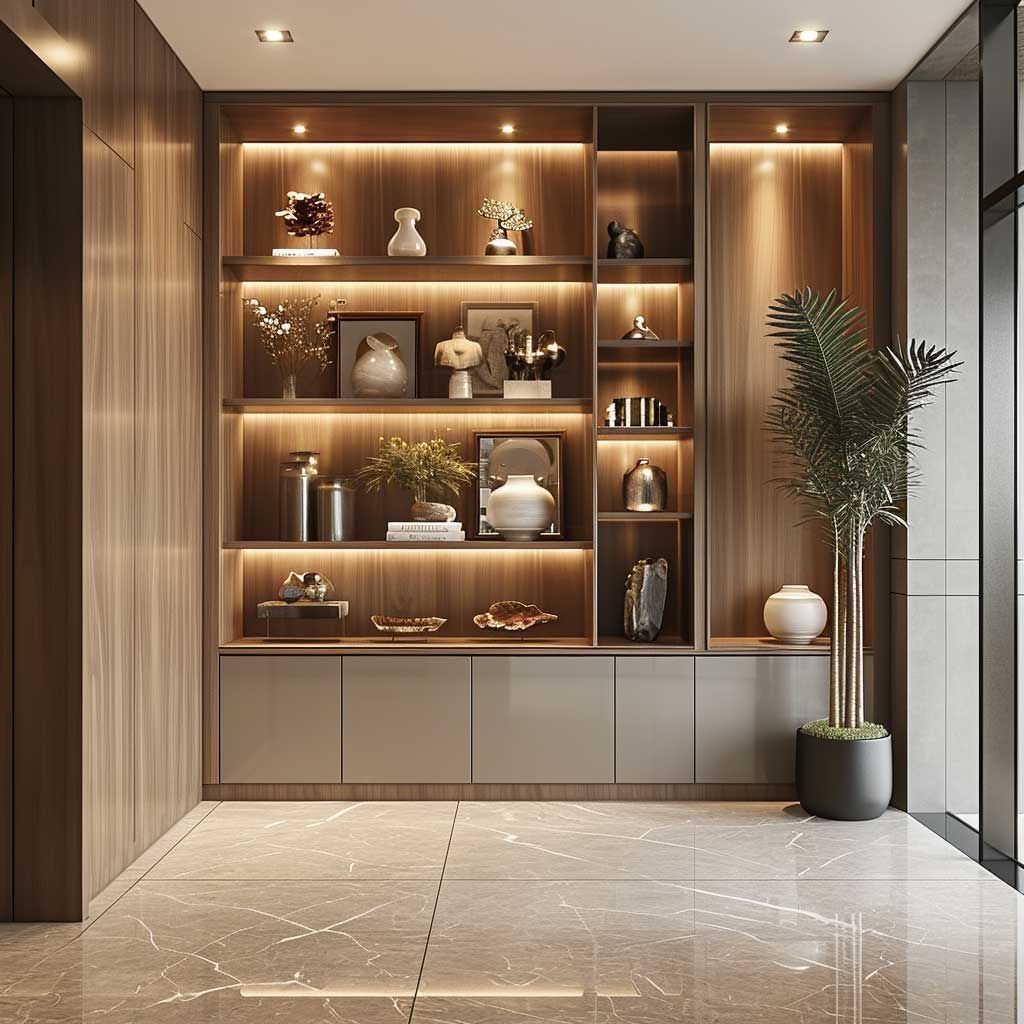
Similarly, without lighting, the spaces we help design can’t be seen. The carefully selected finishes and layouts from architects and interior designers are rendered unusable without light. Some of this can obviously come from the daylight, but lighting design helps to articulate spaces and support their uses.
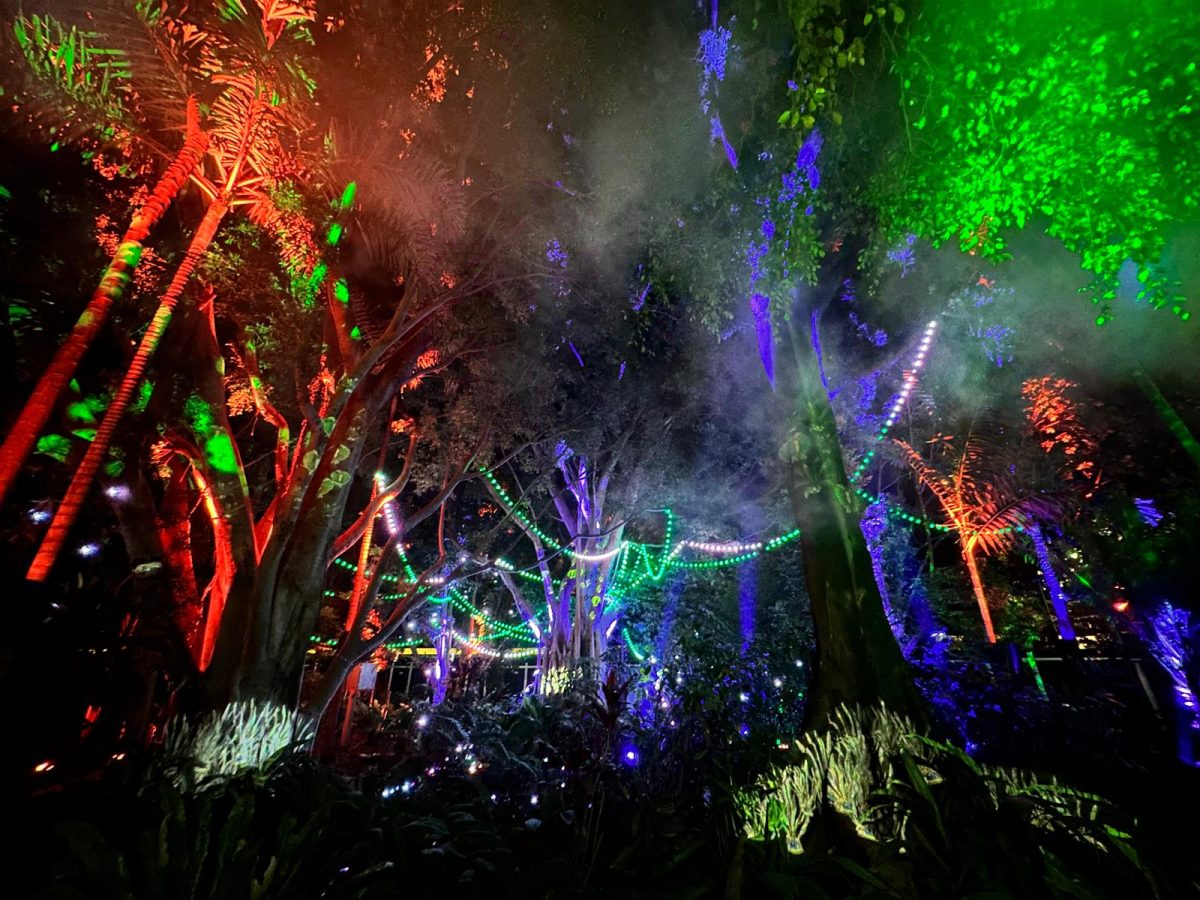
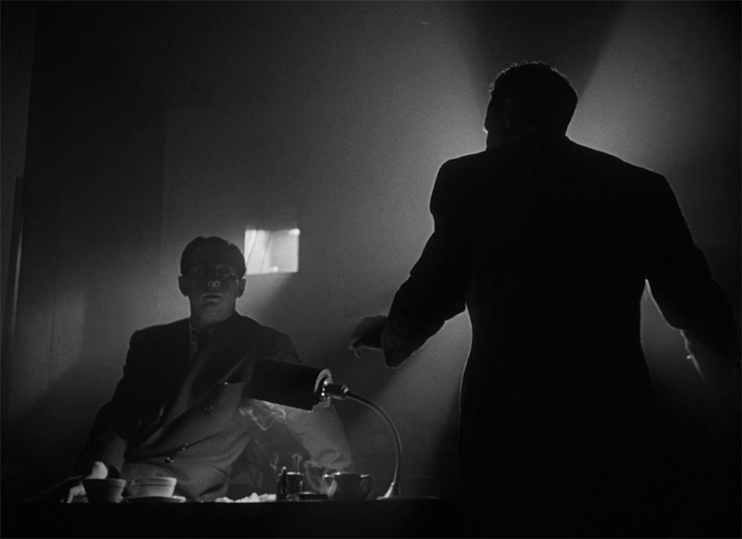
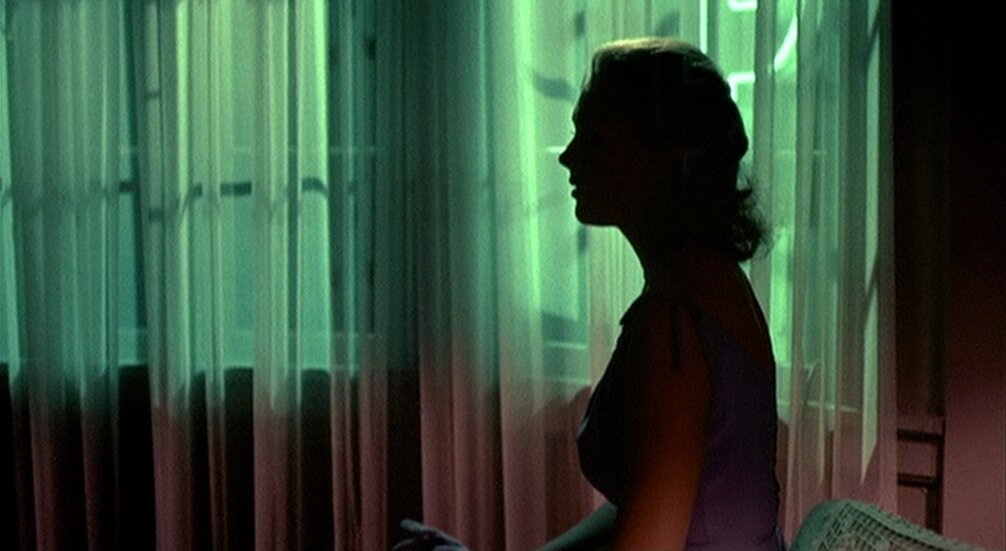
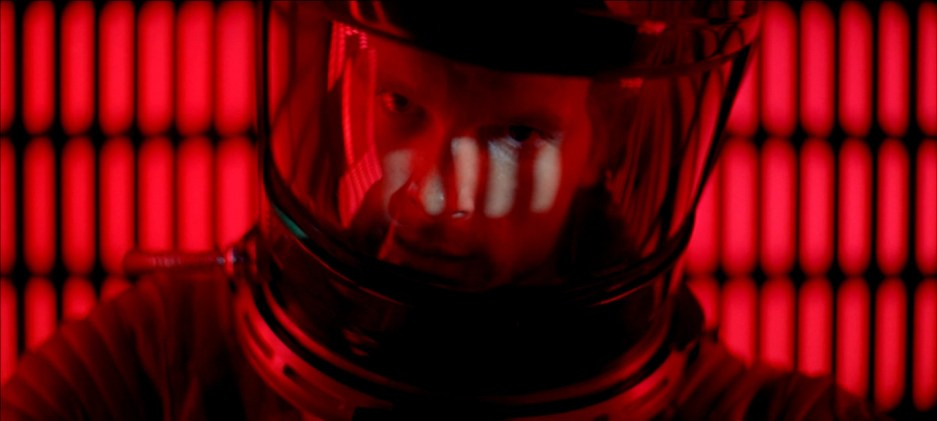
At its beginning in the early 20th century, movies were primarily used as a vehicle to transmit images as a spectacle. But as the medium progressed and technology improved, filmmakers began to recognise and harness its creative capabilities as a storytelling medium. Light was one of many tools in their arsenal that allowed filmmakers to dig even deeper into the visualisation of the intangible. A character in shadow could be used to represent evil or mystery; a character bathed in light could represent vitality or knowledge. And with the introduction of colour, the opportunities for lighting metaphors multiplied tenfold. Red could mean danger, or passion; green could represent envy or obsession. This list goes on, but suffice to say that lighting design became a key factor in the emotional narrative of a film.
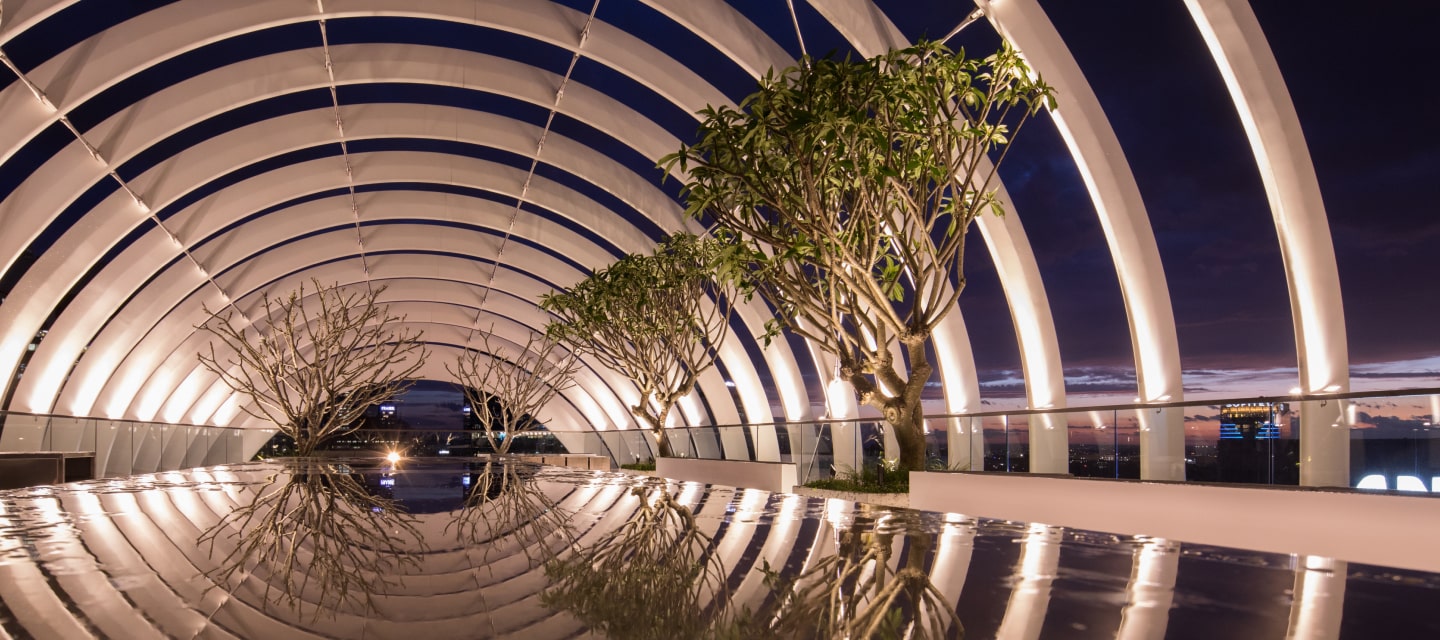
In a sense, a cinematographer is also a lighting designer, just with a narrower focus; They choose which lights are positioned where, but their decisions are all driven by their effect within the frame of the camera. In much the same way as a cinematographer uses light and framing to express the internal feelings of a character, a creative lighting designer can use light as a tool to influence how a space’s inhabitants feel as they navigate their environment. The placement and specification of each fixture and the application each lighting effect contributes to the overall story being told by the interior and architectural design. At once a physical part of the design and a facilitator of the beauty and function that design teams are striving to achieve. Through the use of lighting design, we can control where focus is drawn to, how a space feels, how long people linger, and how they behave while they are there.
While cinematographers and lighting designers both need to have knowledge of how light works, it’s when we go beyond the technical that we reach the emotional perspective that drives our imagination and creates feelings, or spaces, that stay with us.